Building the Adults Who Help Children Heal: An Attachment-Informed Model for Workforce Development
Wednesday, December 2 | 10:30 - 12:00 PM
What if the same attachment and developmental principles that help children heal could also shape how organizations support the adults who care for them? This interactive session explores an emerging approach to workforce development that applies attachment theory and developmental neuroscience to building stronger, more resilient behavioral health teams. Through experiential activities, practical examples, and organizational application, participants will examine how supporting safety and stability, regulation and connection, and competence and growth can strengthen the workforce from the ground up. Attendees will leave with practical ideas they can adapt within their own organizations to strengthen employee engagement, team connection, and organizational culture—ultimately supporting better care for children and families.
Learning Objectives:
-
Differentiate an attachment-informed approach to workforce development from traditional workforce wellness and retention initiatives using principles of attachment theory and developmental neuroscience.
-
Describe how addressing employees' needs through the developmental sequence of Safety & Stability → Regulation & Connection → Competence & Growth supports workforce resilience and organizational effectiveness.
-
Experience and evaluate relationship-based practices that promote regulation, connection, and psychological safety among teams.
-
Develop an initial implementation strategy for integrating one or more attachment- informed principles into their own organization's workforce development efforts.
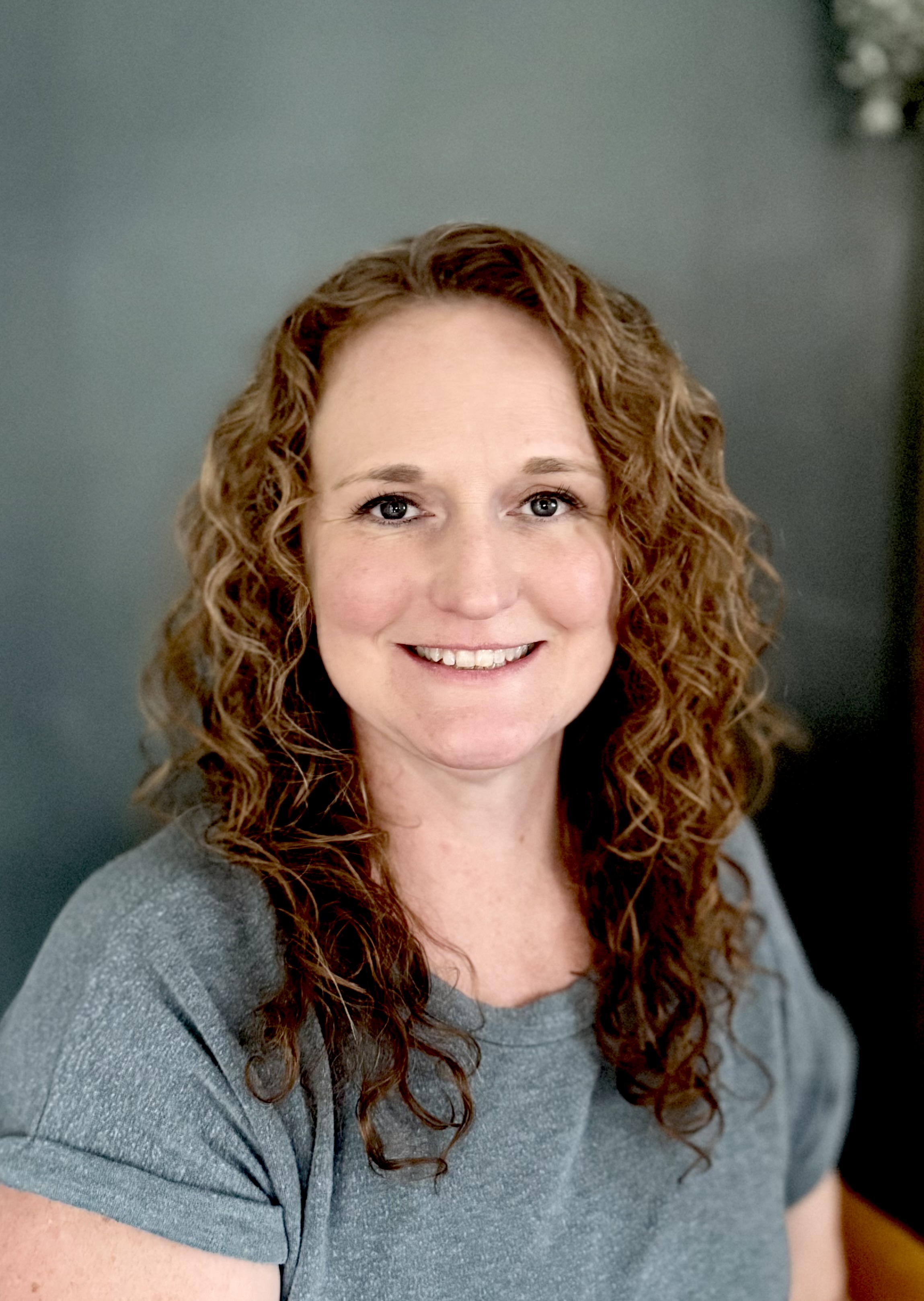
About the Presenter: Cassie Ransom, MSW
|
|
|
|
About the Presenter: Kaylee Morford, MA, LCPC
|
|
|
|
Kaylee Morford, MA, LCPC, has spent nearly 10 years providing attachment- and trauma-informed therapy to children and families in Chaddock's residential treatment program. Kaylee is Phase I certified in the Neurosequential Model of Therapeutics and has completed training in Theraplay, Dyadic Developmental Psychotherapy, and Eye Movement Desensitization and Reprocessing (EMDR). In her current role, she develops and leads clinical trainings, implementation resources, and program innovations that translate developmental neuroscience and attachment theory into practical strategies for professionals, organizations, and the children and families they serve.
|
|
 |
| |
|
|
|
|
|
|
|
|
|
|
|
|
|
|
|