Where Insights & Inspiration Abound
Immerse yourself in interactive discussions, engaging presentations, and valuable information-sharing sessions. Our carefully curated calendar offers content-rich webinars for a variety of audiences including executives, director-level staff, performance quality improvement staff, and professional and clinical services.
Looking for past webinars? Access them on demand by clicking here. Please note: You must be a member to access the On-Demand Learning Center.
Wednesday, November 3 | 2:00 - 3:00 PM ET
NACBH Webinar: Leading Through Uncertainty
In an era of unprecedented workforce strain, volatile funding, and skyrocketing youth acuity, children’s behavioral health leaders are being asked to achieve the impossible: sustain high-quality care while their own organizational batteries run low. Surviving this landscape requires shifting from passive optimism to a rigorous, measurable framework of hope.
Attendees will learn to:
- Implement Hope-Centered Supervision Frameworks: Transition staff supervision from a compliance-only focus to a capacity-building model by utilizing targeted "Hope Audit" inquiries that identify and dismantle operational bottlenecks.
- Apply the Three Pillars of Organizational Hope: Operationalize the psychological science of hope (Goals, Pathways, and Agency) to mitigate workforce burnout and maintain psychological safety amidst systemic funding and staffing shortages.
- Execute Crisis Communication and Decision-Making Strategies: Use transparent communication techniques and the "Stop, Start, Sustain" matrix to make difficult organizational adjustments without eroding staff trust or increasing secondary traumatic stress.
Presented by: Kevin Norton, MS, MBA, Partner, Curtis Strategy
|
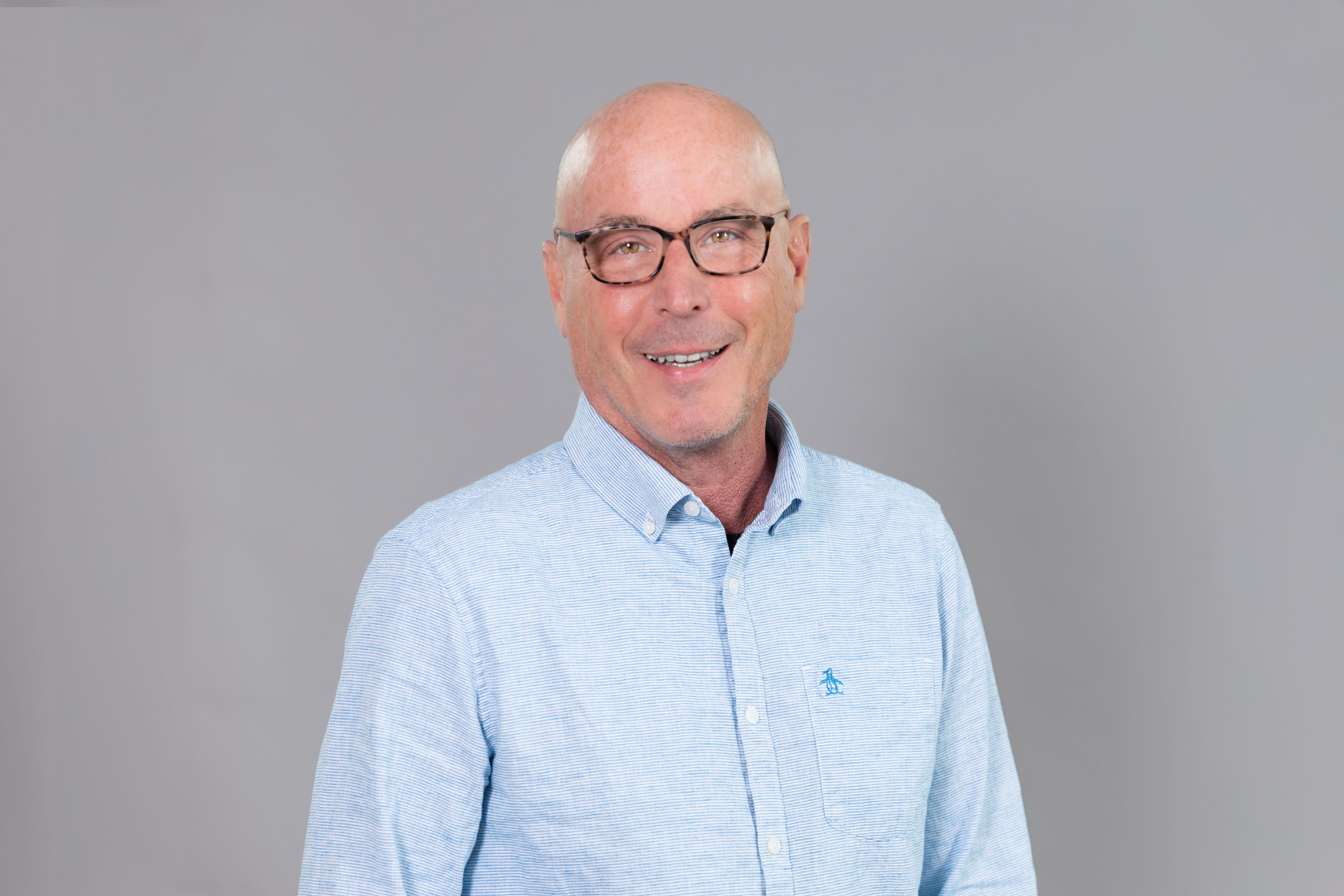
As a Behavioral Health Consultant at Curtis Strategy, I leverage my over 20 years of leadership experience in the substance use treatment, behavioral health, and hospital fields to support strategic planning, mergers and acquisitions, integration, and systems implementation. I am passionate about driving change and evolution within nonprofits by collaborating with organizations to align resources, design innovative strategies, and create customized plans for future growth and sustainability. I have an MBA from Suffolk University - Sawyer Business School, where I studied Business Management. My skills include quality management, innovation, and executive management. I am committed to advancing organizations towards future relevance and excellence.
|
|
|